

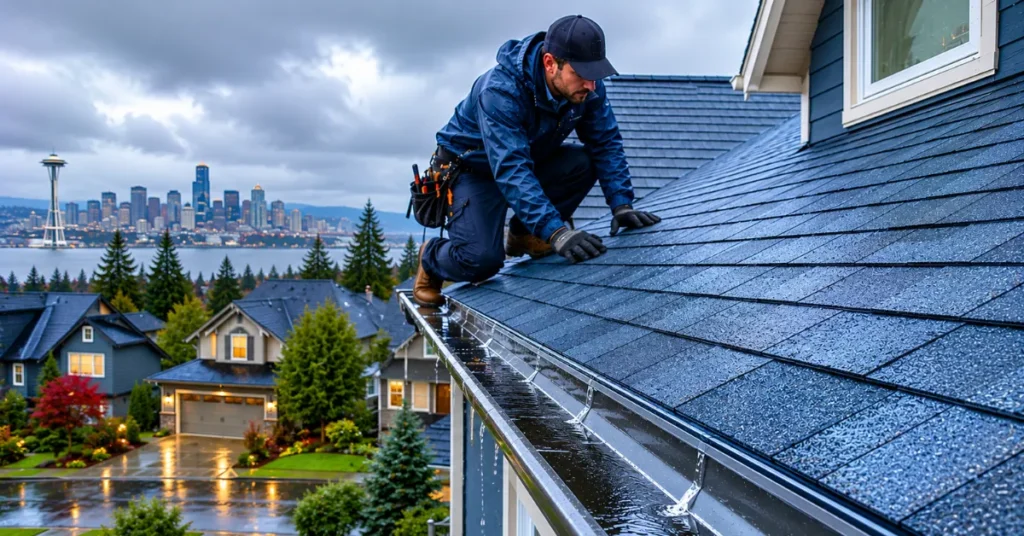
Your roof is your home’s first line of defense against the elements. Whether it’s heavy rain, strong winds, freezing temperatures, or intense sunlight, your roofing system is constantly exposed to weather conditions that can gradually wear it down. Without proper maintenance, even minor roofing issues can develop into costly repairs that affect the structural integrity of your home.
For homeowners in Seattle, roof maintenance is particularly important. The Pacific Northwest is known for its frequent rainfall, high humidity levels, seasonal windstorms, and persistent moss growth. These conditions can shorten a roof’s lifespan if regular inspections and preventative maintenance are ignored.
Fortunately, maintaining a roof in harsh weather conditions does not have to be complicated. By understanding the common threats your roof faces and taking proactive steps to protect it, you can prevent leaks, extend the life of your roofing system, and avoid unexpected repair expenses.
This guide explains how to maintain a roof in harsh weather conditions, with a particular focus on Seattle’s unique climate challenges.
10 Roof Maintenance Tips for Harsh Weather Conditions
Schedule Regular Roof Inspections
Routine roof inspections are one of the most effective ways to prevent costly repairs. Most roofing professionals recommend inspecting your roof at least twice per year, typically in the spring and fall, as well as after major storms.
Early detection allows homeowners to address minor issues before they develop into significant problems. During inspections, look for signs such as missing shingles, cracked flashing, moss growth, water damage, granule loss, and sagging roof areas.
Clean Gutters and Downspouts
Gutters play a critical role in directing rainwater away from your roof and foundation. When gutters become clogged with leaves, twigs, and debris, water can back up beneath roofing materials and cause leaks or wood rot.
Seattle homeowners should clean their gutters at least twice a year and more frequently if their property is surrounded by trees.
Remove Moss Before It Spreads
Moss growth is a common roofing issue in Seattle due to the region’s damp climate and frequent rainfall. While moss may seem harmless, it traps moisture against roofing materials and can gradually lift shingles, creating opportunities for water intrusion.
Removing moss early helps preserve the integrity of your roof and prevent premature deterioration. Avoid pressure washing, as it can damage shingles and remove protective granules.
Inspect Roof Flashing
Flashing protects vulnerable areas where the roof meets chimneys, skylights, vents, and walls. Because these areas are more susceptible to leaks, flashing should be inspected regularly for corrosion, cracks, separation, or loose fasteners.
Repairing damaged flashing promptly can help prevent water intrusion and extend the lifespan of the roofing system.
Trim Overhanging Tree Branches
Trees provide shade and curb appeal, but overhanging branches can create roofing problems. Branches can scrape roofing materials during windstorms, drop debris onto the roof, and create shaded areas that encourage moss growth.
Regular tree trimming reduces debris buildup, improves sunlight exposure, and helps minimize storm-related roof damage.
Replace Damaged Shingles Quickly
Missing, cracked, curled, or loose shingles should be replaced as soon as possible. Even a single damaged shingle can expose the underlying roof structure to moisture, leading to leaks and water damage.
Prompt repairs help maintain the roof’s protective barrier and prevent more extensive issues from developing.
Improve Attic Ventilation
Proper attic ventilation plays an important role in roof health. A well-ventilated attic helps regulate temperature and moisture levels, reducing condensation that can damage roofing materials and insulation.
Improved airflow also enhances energy efficiency and can help extend the lifespan of the entire roofing system.
Address Small Leaks Immediately
Small roof leaks rarely stay small. What begins as a minor drip can quickly lead to mold growth, damaged insulation, wood rot, and costly structural repairs.
If you notice water stains, damp spots, or signs of moisture intrusion, schedule repairs as soon as possible to prevent further damage.
Keep Roof Valleys Clear
Roof valleys are designed to channel large amounts of rainwater toward gutters and drainage systems. Because these areas handle significant water flow, leaves, branches, and debris can easily accumulate and create blockages.
Keeping roof valleys clean ensures proper drainage and reduces the risk of water backup and leaks during heavy rainstorms.
Schedule Annual Professional Maintenance
While homeowners can perform basic visual inspections, professional roof maintenance provides a more comprehensive assessment of the roofing system. Roofing professionals can identify hidden damage, evaluate flashing and ventilation, and recommend preventative repairs.
An annual maintenance visit can help extend the life of your roof, improve performance, and reduce the likelihood of unexpected repair costs.
Why Roof Maintenance Is Important in Seattle’s Climate
Seattle’s weather creates a unique set of challenges for residential roofing systems. While the city does not experience the extreme heat found in southern states, the combination of rain, moisture, wind, and organic growth can significantly impact roofing materials over time.
Frequent Rainfall and Moisture Exposure
Seattle receives substantial rainfall throughout the year, and prolonged exposure to moisture can accelerate roof deterioration. Water that becomes trapped beneath shingles or flashing can damage roof decking, insulation, and structural components. Over time, even a small leak can result in extensive water damage.
Regular roof inspections and prompt repairs are essential for preventing moisture intrusion and maintaining a watertight roofing system.
Windstorms and Seasonal Weather Change
Strong winds can loosen shingles, damage flashing, and create entry points for water. Wind-driven rain is particularly problematic because it can force moisture into areas that would otherwise remain protected.
Seasonal temperature fluctuations also cause roofing materials to expand and contract, which can weaken seals and fasteners over time.
Moss and Algae Growth
One of the most common roofing problems in Seattle is moss growth. The region’s damp climate creates ideal conditions for moss, algae, and lichen to thrive. While moss may appear harmless, it can trap moisture against the roof surface and gradually damage shingles. If left untreated, moss growth can reduce the lifespan of a roof and increase the risk of leaks.
Reduced Roof Lifespan
Without proper maintenance, Seattle’s climate can significantly shorten the life expectancy of roofing materials. Regular upkeep helps maximize roof performance and delay the need for replacement.
Common Roofing Problems Caused by Harsh Weather
Understanding the most common weather-related roofing issues can help homeowners identify problems before they become serious.
Roof Leaks and Water Intrusion
Water intrusion is one of the most common roofing issues in rainy climates. Damaged shingles, deteriorated flashing, clogged gutters, and worn sealants can all allow water to enter the roofing system.
Signs of a roof leak may include:
- Ceiling stains
- Water spots on walls
- Damp attic insulation
- Mold growth
- Peeling paint
Addressing leaks early can prevent extensive damage and costly repairs.
Missing or Damaged Shingles
Strong winds and severe weather can loosen or remove shingles. Once shingles become damaged, the underlying roof structure is exposed to moisture and UV radiation.
Homeowners should inspect their roofs after major storms and replace damaged shingles promptly.
Flashing Damage
Roof flashing protects vulnerable areas around chimneys, skylights, vents, and roof valleys. Harsh weather can cause flashing to loosen, corrode, or separate from roofing materials.
Because flashing failures are a leading cause of roof leaks, regular inspections are essential.
Moss and Algae Growth
Moss retains moisture against roofing materials and can lift shingles over time. Algae may not cause structural damage, but it can create unsightly black streaks and contribute to moisture retention.
Routine roof cleaning helps minimize these issues.
Clogged Gutters
Gutters play a critical role in directing water away from the roof. Leaves, branches, and debris can block water flow, causing gutters to overflow and increasing the risk of roof damage.
Keeping gutters clean is one of the simplest and most effective roof maintenance tasks.
How to Prevent Roof Leaks During Heavy Rain
Heavy rain is one of the biggest threats to roofing systems in Seattle. Fortunately, most roof leaks can be prevented through proactive maintenance.
Homeowners should inspect vulnerable areas regularly, including roof valleys, flashing, skylights, chimneys, and vent penetrations. Ensuring gutters and downspouts remain clear also helps prevent water from accumulating on the roof.
Additionally, replacing worn sealants and repairing damaged roofing materials before the rainy season begins can significantly reduce the likelihood of leaks.
A proactive approach is always more cost-effective than dealing with water damage after it occurs.
Moss and Algae Prevention for Seattle Roofs
Moss is one of the biggest roofing concerns for Seattle homeowners. The city’s frequent rainfall, high humidity, and shaded environments create ideal conditions for moss growth. While moss may initially appear harmless, it can trap moisture against roofing materials and gradually lift shingles, allowing water to penetrate beneath the roof surface
One of the most effective ways to prevent moss growth is by keeping the roof clean and free of debris. Leaves, branches, and organic matter retain moisture and create an environment where moss can thrive. Homeowners should also trim overhanging tree branches to increase sunlight exposure and improve airflow across the roof.
Installing zinc or copper strips near the roof ridge can also help prevent moss growth. When rainwater flows over these metals, it creates a surface that discourages moss and algae from developing. Regular roof inspections can identify small patches of moss before they become widespread and more difficult to remove.
When removing moss, avoid pressure washing shingles, as this can strip away protective granules and shorten the lifespan of the roof. Instead, use manufacturer-approved cleaning solutions or hire a professional roofing contractor experienced in moss removal.
Preparing Your Roof for Seattle Storms
Seattle experiences seasonal windstorms that can cause significant roof damage if preventative measures are not taken. Preparing your roof before storm season can help minimize risks and reduce the likelihood of emergency repairs.
Start by inspecting the roof for loose, cracked, or missing shingles. Damaged materials should be repaired or replaced before severe weather arrives. Roof flashing around chimneys, skylights, vents, and valleys should also be inspected to ensure a watertight seal.
Homeowners should verify that gutters and downspouts are functioning properly. Blocked drainage systems can cause water to back up beneath roofing materials during heavy rainstorms. It is also important to secure any loose exterior components that could become airborne during strong winds.
Creating a storm-preparation checklist and conducting annual inspections before the rainy season begins can significantly improve a roof’s ability to withstand harsh weather conditions.
Seasonal Roof Maintenance Checklist
Spring Roof Maintenance
Spring is an ideal time to inspect the roof for damage caused by winter storms. Homeowners should check for missing shingles, damaged flashing, clogged gutters, and signs of moisture intrusion. Moss and algae growth should also be addressed before warmer weather encourages further expansion.
Summer Roof Maintenance
Although Seattle summers are relatively mild, dry weather provides an excellent opportunity for roof repairs and preventative maintenance. Homeowners should inspect sealants, remove debris, and ensure proper attic ventilation to prepare for the upcoming rainy season.
Fall Roof Maintenance
Fall is one of the most important times for roof maintenance. Leaves and debris can quickly clog gutters and roof valleys, preventing proper drainage. Cleaning gutters, trimming tree branches, and scheduling a professional roof inspection can help prepare the roof for winter storms.
Winter Roof Maintenance
Winter maintenance focuses on monitoring the roof for storm damage and addressing any issues promptly. Homeowners should watch for leaks, water stains, and damaged roofing materials following periods of heavy rain or strong winds.
When to Schedule a Professional Roof Inspection
While homeowners can perform basic visual inspections, professional roof inspections provide a more thorough assessment of the roofing system. Roofing professionals are trained to identify hidden issues that may not be visible from the ground.
A professional roof inspection is recommended:
- At least once per year
- After severe storms
- Before purchasing a home
- When visible signs of damage appear
- Before major roof repairs or replacement projects
During an inspection, roofing professionals evaluate shingles, flashing, gutters, ventilation systems, roof decking, and other critical components. Identifying problems early often prevents more expensive repairs later.
Roof Maintenance Mistakes Homeowners Should Avoid
One of the most common mistakes homeowners make is ignoring small roofing problems. Minor leaks, loose shingles, and damaged flashing rarely improve on their own. Delaying repairs often results in more extensive and expensive damage.
Another mistake is neglecting gutter maintenance. Gutters are essential for directing water away from the roof and foundation. When gutters become clogged, water can overflow and damage roofing materials, fascia boards, and siding.
Many homeowners also attempt unsafe DIY repairs. Roofing work can be dangerous and often requires specialized knowledge and equipment. Improper repairs may void warranties and create additional problems.
Pressure washing is another common mistake. While it may seem like a quick solution for cleaning a roof, high-pressure water can damage shingles, remove protective granules, and shorten the roof’s lifespan.
Finally, failing to schedule regular inspections can allow hidden issues to go unnoticed until significant damage has already occurred.
FAQs
How Often Should a Roof Be Inspected in Seattle?
Most roofing professionals recommend inspecting a roof at least twice per year—once in the spring and once in the fall. Additional inspections are recommended following severe weather events.
What Is the Best Way to Prevent Roof Leaks?
The best way to prevent roof leaks is through regular inspections, prompt repairs, proper gutter maintenance, and routine flashing inspections. Addressing small problems early helps prevent water intrusion.
How Do I Stop Moss From Growing on My Roof?
Keeping the roof clean, improving sunlight exposure, installing zinc or copper strips, and scheduling regular maintenance can help prevent moss growth.
How Long Does a Well-Maintained Roof Last?
The lifespan of a roof depends on the material. Asphalt shingle roofs typically last 20 to 30 years, while metal, slate, and tile roofs can last significantly longer when properly maintained.
Should I Inspect My Roof After Every Storm?
It is a good idea to perform a visual inspection after major storms. Look for missing shingles, damaged flashing, clogged gutters, or signs of water intrusion inside the home.
What Are the Warning Signs of Roof Damage?
Common warning signs include water stains, mold growth, missing shingles, sagging roof sections, granule loss, damaged flashing, and recurring leaks during rainstorms.
Conclusion
To maintain a roof in harsh weather conditions requires a proactive approach, especially in Seattle’s wet and unpredictable climate. Frequent rainfall, moisture exposure, moss growth, and seasonal storms can all shorten a roof’s lifespan if proper maintenance is neglected.
Fortunately, regular inspections, gutter cleaning, moss prevention, flashing maintenance, and prompt repairs can significantly extend the life of a roofing system. By addressing small problems before they become major issues, homeowners can avoid costly repairs, improve energy efficiency, and protect their homes from weather-related damage.
Whether your roof is made of asphalt shingles, metal, cedar shake, or another material, consistent maintenance and inspection in Seattle remains the key to maximizing performance and ensuring long-term protection. Investing time in preventative roof care today can save thousands of dollars in repairs and help keep your home safe and dry for years to come.